



Should Supplements Be Competing With GLP-1s?
Over the past year, I've watched more and more supplement brands position themselves as alternatives to glucagon-like peptide-1 (GLP-1) medications.
Some call themselves "natural Ozempic".
Others imply they can deliver similar results without a prescription.
As both a doctor and a supplement founder, I find this trend concerning.
Not because I don't believe in supplements.
I founded a supplement company.
And not because I think medication is always the answer.
I don't.
The reason is much simpler.
They're different tools.
A supplement shouldn't be competing with a prescription medicine any more than a multivitamin should compete with an antibiotic.
Yet increasingly, brands are asking consumers to believe otherwise.
And I think that's where the problems begin.
As a doctor, I've prescribed GLP-1 medications
I've prescribed GLP-1 medications and I've seen first-hand how helpful they can be for the right person.
I've also seen people who couldn't tolerate them, didn't respond to them or decided they weren't the right choice.
Healthcare is rarely one-size-fits-all.
That's why I would never shame someone for taking a GLP-1 medication.
Likewise, I don't think supplements should be dismissed simply because they're not medicines.
The real question isn't whether one is better than the other.
The real question is whether we're being honest about what each tool can and cannot do.
What I actually worry about
The biggest risk I see isn't GLP-1 medications.
It's poor nutrition.
Many women taking GLP-1 medications naturally eat less because they feel fuller sooner.
That can be helpful.
But it can also make nutrition quality more important than ever.
When food intake falls, it's often the first time people realise how difficult it can be to consistently consume enough:
- Protein
- Fibre
- Iron
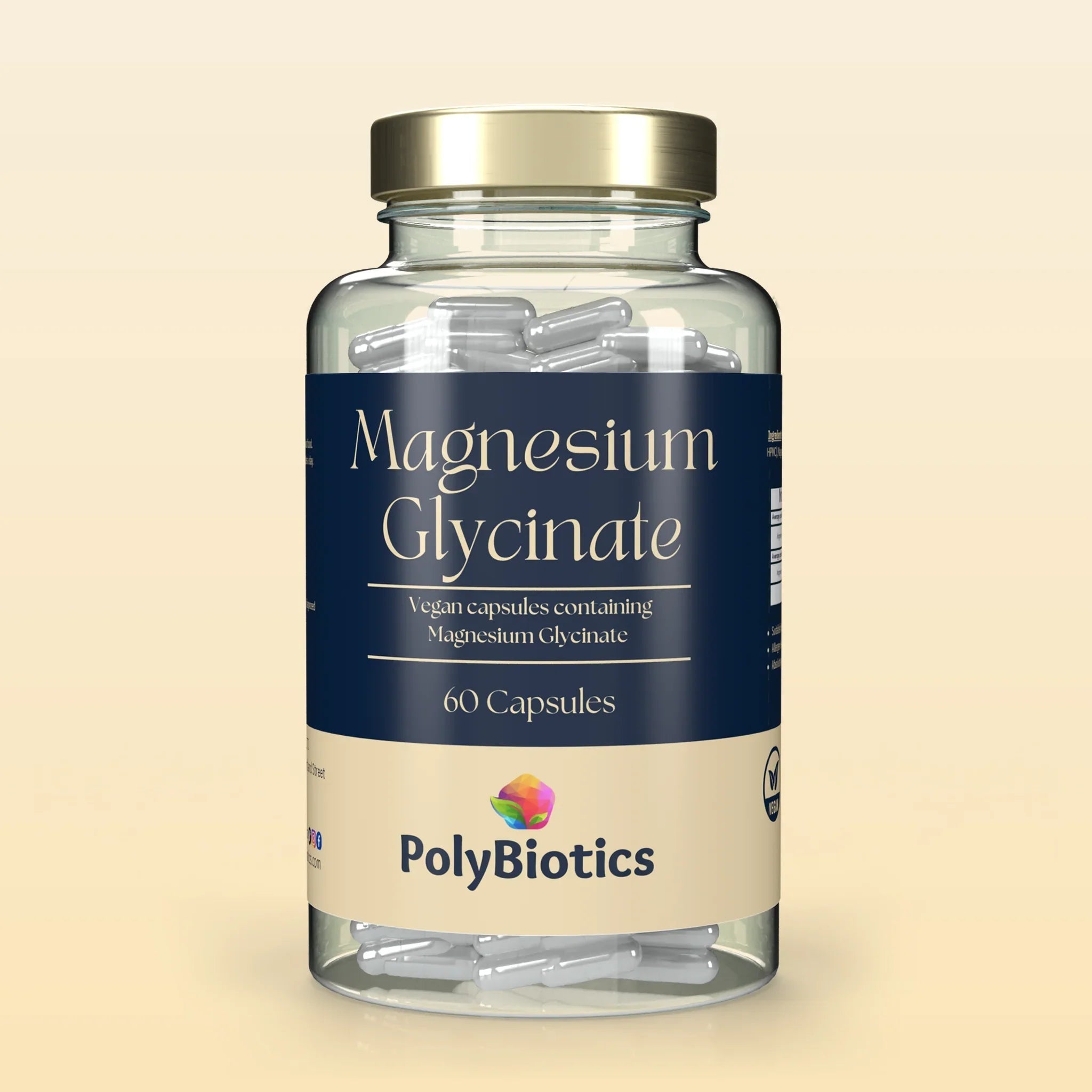
- Magnesium
- Vitamin B12
- Folate
For women with PMOS, these conversations matter.
Not because a supplement replaces a medication.
But because nutrition still matters, regardless of whether someone chooses to use a medication.

Myth 1: Collagen solves your protein problem
This is one of the most common misconceptions I see online.
Collagen contains protein.
However, collagen is considered an incomplete protein because it doesn't provide sufficient amounts of all the essential amino acids your body requires.
One amino acid in particular, leucine, plays an important role in stimulating muscle protein synthesis.
In simple terms:
20 g of collagen is not nutritionally equivalent to 20 g of whey protein, eggs, fish, chicken or Greek yoghurt.
That's important because one of the priorities during weight loss is preserving lean body mass.
Collagen may have a place within a wider routine.
But it shouldn't be relied upon as your primary source of protein.
Practical tip
Aim to include a complete protein source at every meal.
Examples include:
- Eggs
- Fish
- Poultry
- Meat
- Dairy
- Soy foods
- Whey protein

Myth 2: A fibre supplement means you've hit your fibre target
Many fibre supplements provide between 3 g and 10 g of fibre per serving.
That's useful.
But most adults are advised to aim for around 30 g of fibre daily.
A fibre supplement may help bridge the gap.
It shouldn't replace:
- Vegetables
- Fruit
- Pulses
- Legumes
- Nuts
- Seeds
- Wholegrains
Think of fibre supplements as support, not a substitute.
Practical tip
Try adding one extra fibre-rich food to your plate before reaching for another supplement.
Small changes add up surprisingly quickly.

Myth 3: Hair loss means the medication isn't working
Hair shedding is one of the most common concerns discussed in GLP-1 communities.
Often, the medication itself isn't the whole story.
Rapid weight loss, lower calorie intake and nutritional inadequacies can all contribute to a condition known as telogen effluvium.
Potential contributors include:
- Low protein intake
- Low iron stores
- Significant calorie restriction
- Rapid weight loss
This is why focusing on nutrition remains important even when appetite is reduced.

Myth 4: Supplements and GLP-1 medications are competitors
This is probably the biggest myth of all.
In my view, supplements and GLP-1 medications are not competitors.
They're different tools.
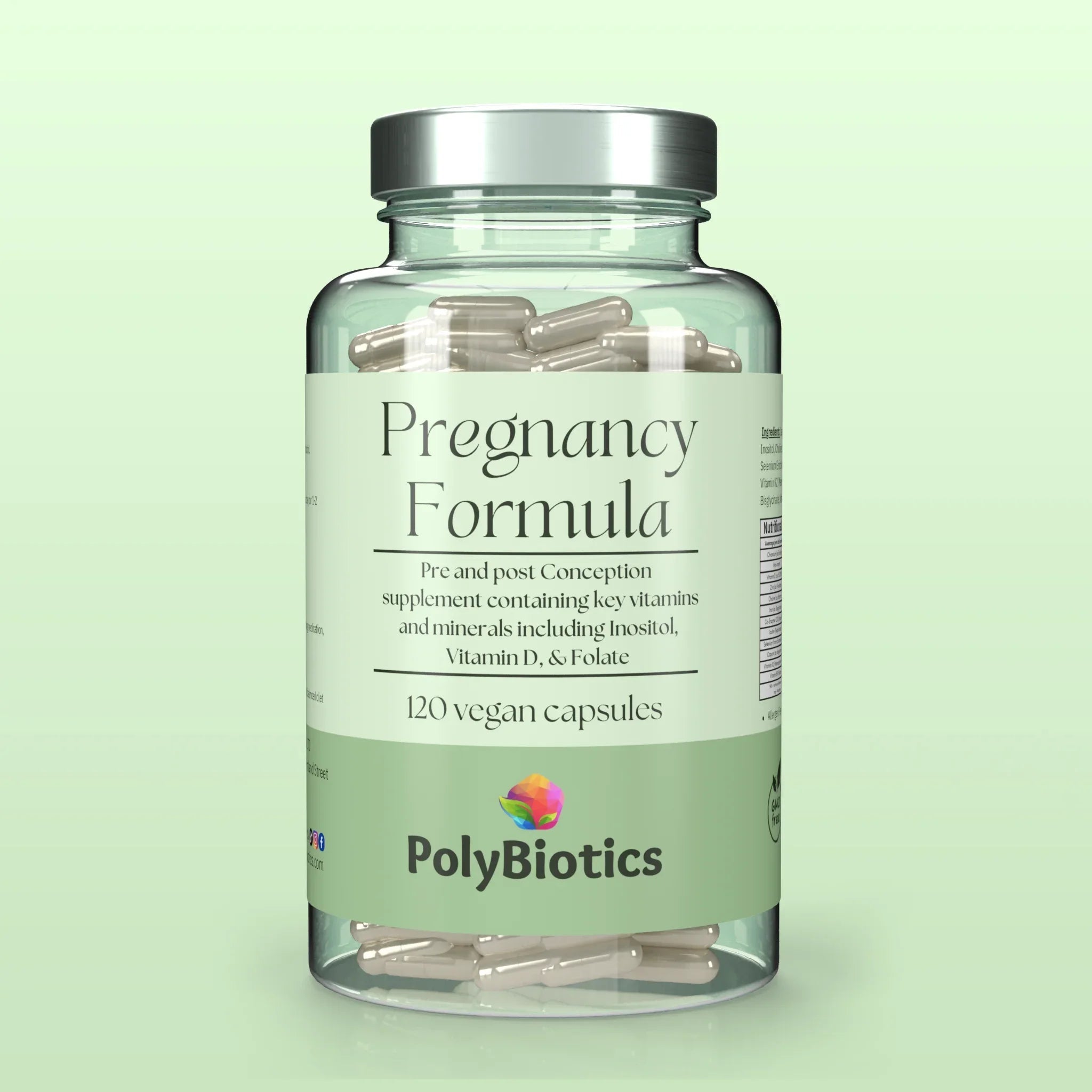
For example, inositol has been studied extensively in women with PMOS for:
- Ovulation
- Menstrual cycle regulation
- Insulin signalling
- Metabolic health
That's a completely different conversation from appetite regulation medications.
The goal shouldn't be to find a supplement that "acts like Ozempic".
The goal should be understanding what nutritional support may be appropriate for your individual circumstances.

The question I wish more people would ask
Instead of asking:
"What's the best GLP-1 supplement?"
I think a better question is:
"What nutritional challenges am I personally at risk of?"
For many women with PMOS, the answer may involve:
- Protein intake
- Fibre intake
- Iron status
- Magnesium intake
- Vitamin B12 intake
- Overall diet quality
Those conversations are often far more valuable than searching for a supplement marketed as a "natural Ozempic".
The bottom line
GLP-1 medications and supplements are not enemies.
They're not competitors.
They're different tools.
Some women will benefit from medication.
Some will benefit from targeted nutritional support.
Many will use both.
The most trustworthy health brands understand where supplements fit.
They also understand where they don't.
And in my view, that's one of the biggest green flags a consumer can look for.
Want evidence-led women's health content without the hype?
Join over 12,000 women who trust PolyBiotics for straightforward education on hormonal and nutrition.
Share:
0 comments
Blog posts
-

The Wellness Trends Women Should Question
Why some of today's biggest wellness trends are built on evidence that doesn't always reflect female physiology. By Dr. Amina Hersi MD Wellness trends have never been more popular. Open social media and you'll quickly be told that the healthiest...
-

Food vs supplements: this isn't a competition
Some brands compare their supplement's calories to breakfast, as if it's meant to replace food. It isn't. Here's what your diet gives you that no capsule can, and where the real gaps lie.
-

Is Stress Throwing Your Hormones Off? The Stressors We Don’t Always Think About
Stress isn't just about feeling overwhelmed. Heat, poor sleep, under-eating, over-exercising and major life changes can all place demands on the body. We explore how stress interacts with your hormones, what the science really says about childhood trauma and PCOS, and why building resilience, rather than trying to eliminate stress entirely, may be a more helpful approach.


