



The Nutrients That Support Healthy Hair (And Why Your Plate Matters More Than Your Shampoo)
Hair changes are one of the most common things women notice, and one of the least well-explained. Most of the conversation online jumps straight to serums, scalp massages, and expensive shampoos. Useful, sometimes. But hair grows from the inside, and what you eat and absorb sets the conditions for what shows up at the scalp months later.
This isn't a piece about reversing anything or chasing miracles. It's about the nutrients that genuinely contribute to the maintenance of normal hair, what the evidence says, and how to think about your own intake without getting lost in the noise.
A quick note on how hair actually works
Each hair follicle goes through a cycle: a growth phase that lasts years, a short transition phase, and a resting phase before the hair sheds and a new one begins. At any given time, most of the hair on your head is growing, and a smaller proportion is resting or shedding. This is normal. Losing 50 to 100 hairs a day is normal.
What disrupts this cycle is rarely one thing. Hormonal shifts, stress, illness, pregnancy, postpartum recovery, perimenopause, restrictive eating, and nutrient status all play a role. Nutrition is one piece of the picture, not the whole picture. But it's the piece you have the most direct control over.

Zinc
Zinc contributes to the maintenance of normal hair. It's involved in the protein synthesis and cell division that hair follicles rely on, and it plays a role in the function of the oil glands around each follicle.
Food sources include red meat, shellfish (oysters are exceptional), pumpkin seeds, lentils, and chickpeas. Plant sources contain phytates that reduce zinc absorption, so women who eat mostly plant-based diets can find their zinc status sits lower than they'd expect from looking at intake alone.
If you're supplementing, zinc is best taken away from iron and calcium, which compete for absorption.

Selenium
Selenium contributes to the maintenance of normal hair. It's a trace mineral, meaning the body needs only small amounts, but those small amounts matter. Selenium supports antioxidant systems that protect cells, including the cells that make up hair follicles.
The richest food source is Brazil nuts. Two or three a day is generally enough. Beyond that, fish, eggs, and whole grains contribute. Selenium is one of the few nutrients where more is genuinely not better. High intakes over time can have the opposite of the intended effect, including hair changes. So this is a steady-intake nutrient, not a load-up nutrient.

Biotin (and why we don't lean on it)
Biotin contributes to the maintenance of normal hair. That's the authorised claim, and it's true. Biotin is a B vitamin involved in the metabolism of fats, carbohydrates, and proteins, including the keratin that makes up the structural part of hair.
Here's the part the supplement industry tends to skip over: true biotin deficiency is rare in women eating a varied diet. It's found in eggs (particularly the yolk), nuts, seeds, salmon, sweet potatoes, and a long list of other everyday foods. The body needs only small amounts, and most women are already getting enough without thinking about it.
So why is biotin in almost every hair, skin, and nails supplement on the shelf? Because it's inexpensive to formulate with, it has an authorised claim attached, and "biotin" is a recognisable word that customers search for. None of those are reasons it will make a difference to your hair if your status is already adequate.
The evidence for biotin supplementation improving hair in women without a deficiency is thin. The studies that do show benefit are mostly in people with a confirmed biotin deficiency or a specific genetic condition affecting biotin metabolism. For everyone else, more biotin doesn't mean more hair. It means more biotin in your urine.
This is why we don't build our formulations around biotin. We'd rather put the money and the formulation space into nutrients where the evidence for women's hair, hormonal health, and broader wellbeing is stronger and where deficiency is genuinely common.
One practical note worth knowing regardless of where you get your biotin: high-dose biotin supplements can interfere with certain blood test results, including thyroid panels and some cardiac markers. If you're having bloods done, mention any biotin you're taking, including from a multivitamin.

Iron
Iron is the one I'd ask you to pay closest attention to. It contributes to the normal formation of red blood cells and haemoglobin, and to the reduction of tiredness and fatigue. The link to hair is mechanistic: hair follicles are metabolically demanding, and they're not a survival priority for the body. When iron stores run low, the body diverts what's available to organs that keep you alive, and follicles are among the first to feel the deficit.
Low iron status is genuinely common in women, particularly women with heavy periods, women who eat little or no red meat, and women in the postpartum period. It often goes undetected because standard blood tests can show a normal haemoglobin while ferritin, your storage iron, is already low.
Iron-rich foods include red meat, liver, sardines, lentils, beans, tofu, and dark leafy greens. Plant iron is absorbed less efficiently than animal iron, and is helped by vitamin C taken at the same meal. Tea and coffee with meals reduce absorption. A small thing, but a real one.
If you suspect your iron status, ask your GP for tests including ferritin.

When nutrients aren't the answer
It's worth saying plainly: if your hair is changing meaningfully and you're eating well, the answer might not be in your food or your supplements. Thyroid function, hormonal shifts (postpartum and perimenopause are big ones), stress, recent illness, and certain medications all affect hair. So does genetics. A multivitamin won't outrun a thyroid that needs attention.
If something feels off, the right move is a conversation with your GP and, where appropriate, blood tests. Nutrition supports the system. It doesn't override the rest of it.
The bigger picture
Hair tells you something about how the rest of you is doing. It's slow to change, slow to recover, and it reflects the months that came before, not the week you're in. Which means the work of supporting it is steady, unglamorous, and mostly about getting the basics consistently right.
Eat enough. Eat varied. Pay attention to iron if you menstruate. Don't chase one nutrient at the expense of the others. And if something feels wrong, get checked properly, not via a quiz on the internet.
For a deeper look at the patterns of hair change in women, including hormonal and life-stage drivers, you can read our hair loss guide.
before, not the week you're in. Which means the work of supporting it is steady, unglamorous, and mostly about getting the basics consistently right.Eat enough. Eat varied. Pay attention to iron if you menstruate. Don't chase one nutrient at the expense of the others. And if something feels wrong, get checked properly, not via a quiz on the internet.
For a deeper look at the patterns of hair change in women, including hormonal and life-stage drivers, you can read our hair loss guide.
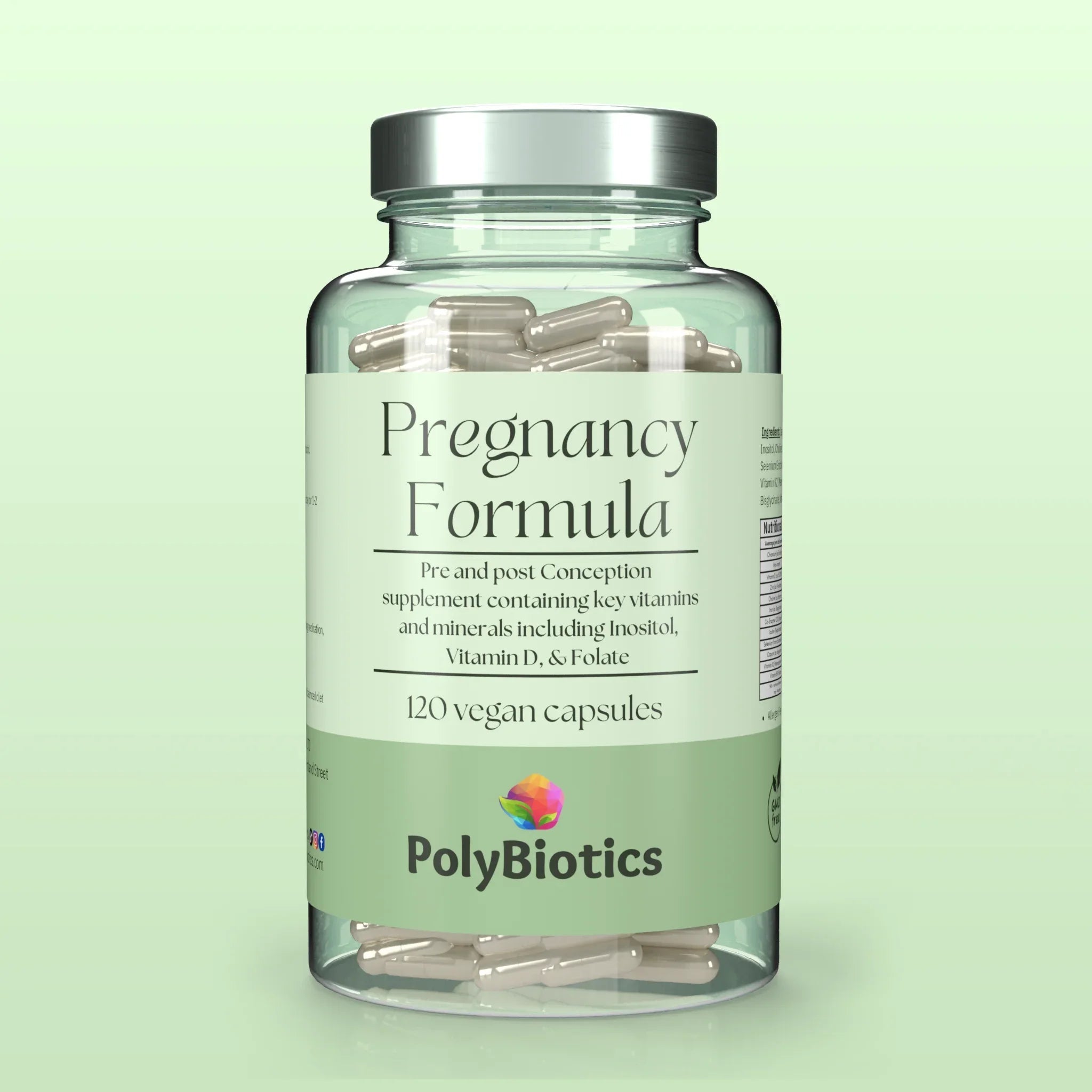
If you're curious about the products we make that include these nutrients, you'll find them here: [LINK: iron], [LINK: pre and post natal] or [Link: inositol infusion]
Share:
0 comments
Blog posts
-

The Wellness Trends Women Should Question
Why some of today's biggest wellness trends are built on evidence that doesn't always reflect female physiology. By Dr. Amina Hersi MD Wellness trends have never been more popular. Open social media and you'll quickly be told that the healthiest...
-

Food vs supplements: this isn't a competition
Some brands compare their supplement's calories to breakfast, as if it's meant to replace food. It isn't. Here's what your diet gives you that no capsule can, and where the real gaps lie.
-

Is Stress Throwing Your Hormones Off? The Stressors We Don’t Always Think About
Stress isn't just about feeling overwhelmed. Heat, poor sleep, under-eating, over-exercising and major life changes can all place demands on the body. We explore how stress interacts with your hormones, what the science really says about childhood trauma and PCOS, and why building resilience, rather than trying to eliminate stress entirely, may be a more helpful approach.


