



Food vs supplements: this isn't a competition
By Dr. Amina Hersi MD
We recently saw a supplement brand compare the calorie count of their product to a bowl of cereal, as if a capsule was meant to replace breakfast. It made us want to write this.
Food and supplements aren't in competition. They were never supposed to be. One gives you energy, fibre and the everyday building blocks of a meal. The other exists to fill specific, well-documented gaps that even a genuinely good diet can leave behind. Understanding the difference matters more than picking a side.
What food gives you that supplements can't
Food does something no capsule can replicate: it comes as a complete package. A meal isn't just a nutrient, it's fibre, water content, texture, satiety and the calories your body actually needs to function. Fibre in particular is doing quiet, essential work that supplements have no way to provide. It feeds gut bacteria, slows digestion, and helps regulate blood sugar in a way that isolated nutrients simply don't.
This is also why food calories and supplement "calories" aren't really comparable. A meal's calories come bundled with fibre, water and a wide spread of micronutrients. A supplement's low calorie count isn't a feature to boast about, it's just a reflection of what a capsule physically contains: a concentrated dose of specific compounds, not a meal replacement.
Fibre
Fibre is one of the clearest examples of what supplements don't replicate. It feeds gut bacteria, slows digestion and helps regulate blood sugar, all in amounts that food is built to deliver and a capsule isn't designed to match. A supplement might contain a trace of fibre as part of its formulation, but it was never intended to get anywhere near the quantities a genuinely fibre-rich diet provides.
The full package
A meal isn't one nutrient in isolation, it's dozens working together alongside water, texture and the calories your body actually needs to function. Supplements are concentrated and specific by design. That's their strength for filling a targeted gap, but it also means they were never built to replicate the layered, interdependent nutrition a real meal provides.
Satiety
Supplements don't fill you up, and that's by design, not a shortfall. The sense of fullness after eating comes from real food: its volume, its fibre, the way it moves through digestion. That signal is part of how your body knows it's been fed, and it's simply outside what a capsule is meant to do.

What food doesn't always give you
Here's the part that gets missed in "food vs supplements" debates: some nutrients are genuinely hard to get to meaningful levels through modern diets, even when you're eating well.
Magnesium is a good example. Leafy greens are still one of the best sources, but decades of soil depletion mean today's vegetables carry less magnesium than they did a generation ago. You could eat the same spinach salad your grandmother did and come away with meaningfully less magnesium from it.
Iron is another. Periods increase iron needs well beyond what many diets deliver, particularly with heavier or more frequent cycles. Even a diet built around iron-rich foods like red meat and leafy greens can run at a quiet deficit month to month.
Inositol sits in its own category. Melon is one of the richest food sources of inositol, but you'd need to eat roughly a whole cantaloupe to reach 2,500mg, and even then, it's almost entirely one form (myo-inositol). The specific myo-to-D-chiro-inositol ratios used in research settings aren't something food supplies at all, in any realistic quantity.

None of this means your diet is failing you. It means some nutrients sit outside what's realistically achievable through food alone, for reasons that have nothing to do with how well you eat.
Supplements aren't a magic bullet
It's worth saying plainly: no supplement replaces the basics. Food supplements should not be used as a substitute for a varied, balanced diet and a healthy lifestyle. That's not just a legal disclaimer, it's genuinely how they work best.
A capsule doesn't undo a diet that skips vegetables. It doesn't compensate for a lifestyle with no movement, poor sleep, or chronic unmanaged stress. Nutrition, movement, sleep and stress relief are the foundation. Supplements are there to support that foundation, not stand in for it, and they work best alongside it, not instead of it.
This is precisely why the "supplements vs food" framing misses the point. The real question isn't which one wins. It's which gaps your particular diet and lifestyle leave open, and whether those gaps are worth addressing with something targeted and evidence-based.

Where PolyBiotics fits in
This is where we come in. We're not here to replace your breakfast, your dinner, or your relationship with food. We're here for the specific, well-researched gaps that food alone often can't close, at doses that reflect the research behind them, not arbitrary industry standards.
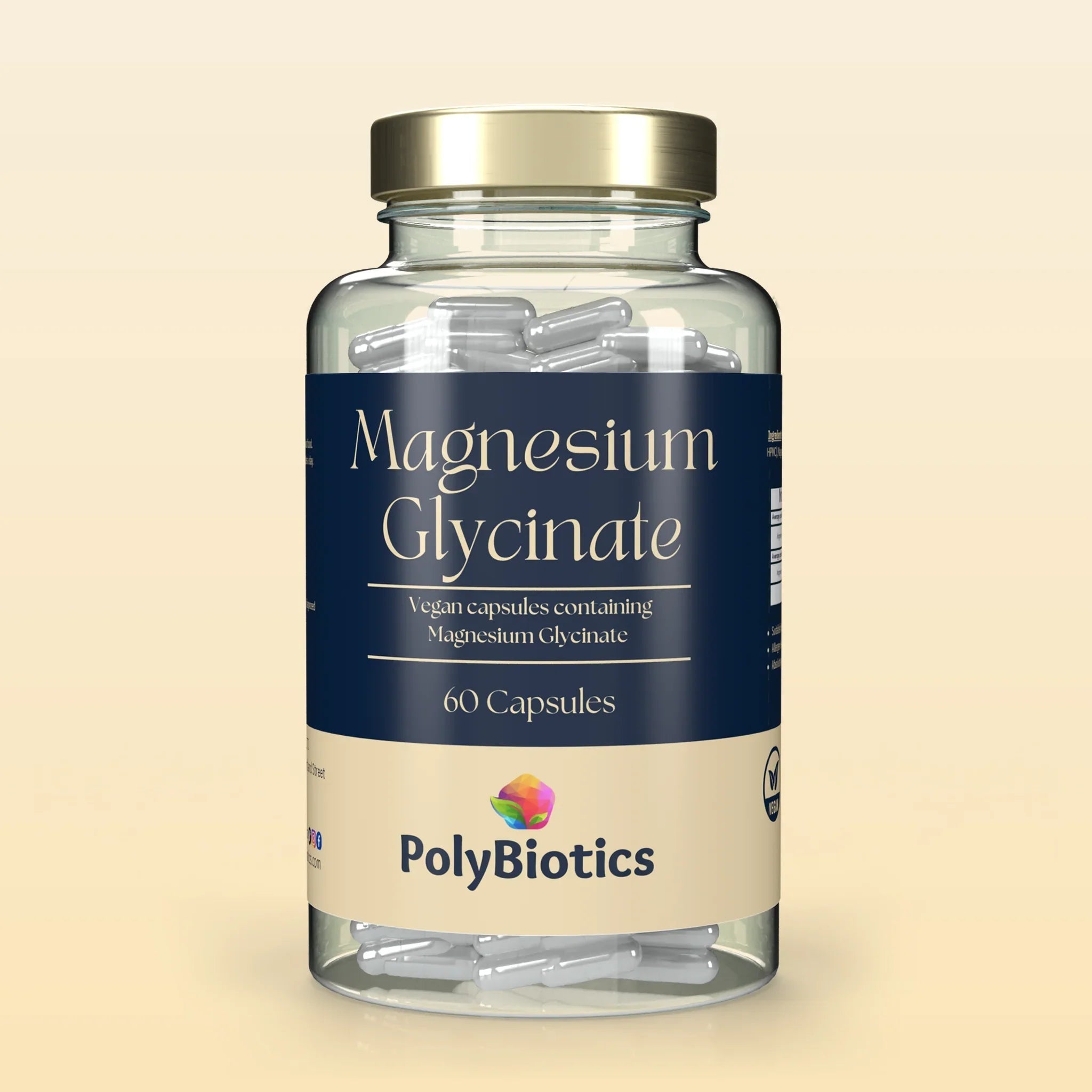
Our 111.5:1 ratio is based on a study measuring plasma inositol levels in women, not the mixed-sex sample the industry-standard 40:1 comes from.(1,2) Our Magnesium Glycinate contributes to normal muscle function and to the reduction of tiredness and fatigue. Our Iron & Energy Restore supports normal energy-yielding metabolism, at a dose designed around what periods actually demand.
None of these are magic bullets. They're tools, formulated with the same rigour we'd want if we were the ones taking them, alongside the food, movement, sleep and stress management that do the rest of the work.

The bottom line
Food and supplements aren't rivals. Food gives you fibre, energy and the everyday foundation of health. Supplements exist for the specific, evidence-backed gaps that even a good diet can leave behind, whether that's soil-depleted magnesium, period-driven iron needs, or inositol ratios you'd never realistically eat your way to.
The goal was never to choose one. It's to understand what each one is actually for.
Food supplements should not be used as a substitute for a varied and balanced diet and a healthy lifestyle.
Find your gap
| SHOP NOW |
Share:
0 comments
Blog posts
-

The Wellness Trends Women Should Question
Why some of today's biggest wellness trends are built on evidence that doesn't always reflect female physiology. By Dr. Amina Hersi MD Wellness trends have never been more popular. Open social media and you'll quickly be told that the healthiest...
-

Food vs supplements: this isn't a competition
Some brands compare their supplement's calories to breakfast, as if it's meant to replace food. It isn't. Here's what your diet gives you that no capsule can, and where the real gaps lie.
-

Is Stress Throwing Your Hormones Off? The Stressors We Don’t Always Think About
Stress isn't just about feeling overwhelmed. Heat, poor sleep, under-eating, over-exercising and major life changes can all place demands on the body. We explore how stress interacts with your hormones, what the science really says about childhood trauma and PCOS, and why building resilience, rather than trying to eliminate stress entirely, may be a more helpful approach.


