



The Wellness Trends Women Should Question
Why some of today's biggest wellness trends are built on evidence that doesn't always reflect female physiology.
By Dr. Amina Hersi MD
Wellness trends have never been more popular.
Open social media and you'll quickly be told that the healthiest women wake before sunrise, fast until lunchtime, drink adaptogens, plunge into ice baths and take a handful of supplements every morning.
These routines are often presented as universal truths. If they worked for someone else, surely they should work for you.
But there is one question that rarely gets asked.
Who were these recommendations actually studied in?
For decades, women were underrepresented in many areas of medical research, particularly early clinical trials. Researchers often worried that hormonal fluctuations would make studies "too complicated," while concerns about pregnancy risks led to women of childbearing age frequently being excluded. Although this has improved substantially over the last thirty years, the legacy remains. Many wellness trends became popular long before robust evidence existed in women.
That does not mean these trends are ineffective.
It means we should be cautious about assuming that evidence from men automatically applies to women whose hormones, nutritional requirements and physiology differ across the menstrual cycle, pregnancy and menopause.
Let's look at some of the biggest examples.
1. Long fasting windows
Intermittent fasting has become one of the most popular health trends of the last decade.
Some people find it helps them reduce calorie intake, improve dietary habits or lose weight. There is evidence that time restricted eating can improve metabolic health in certain populations.
However, much of the early enthusiasm came from studies in men, animal models or mixed populations where women represented a relatively small proportion of participants.
Research specifically examining women paints a more nuanced picture.
One randomised trial published in Obesity found that eight weeks of time restricted eating did not significantly alter oestrogen, progesterone, testosterone or sex hormone binding globulin in premenopausal or postmenopausal women, although DHEA levels fell modestly during the intervention. A subsequent 12-month study from the same research group found no significant hormonal changes at all.
So is intermittent fasting harmful for women?
The evidence does not suggest that.
What it does suggest is that we should be careful about making sweeping recommendations.
Women are generally more vulnerable to the effects of low energy availability, a state where energy intake is consistently insufficient to support normal physiological function. This has been linked with menstrual disturbances, impaired bone health and reduced fertility, particularly in physically active women.
A fasting window itself is not necessarily the problem.
The problem arises when fasting contributes to chronic under-fuelling alongside demanding jobs, poor sleep, intensive exercise and the normal energy requirements of the menstrual cycle.
Instead of asking whether women should fast, a better question might be:
Does this eating pattern support my body, or is it simply another source of physiological stress?

2. Ashwagandha
Ashwagandha has become almost synonymous with stress management.
It is worth saying up front that there is genuine research in women here, which is more than most trending supplements can claim. Several randomised controlled trials have shown improvements in menopausal symptoms and quality of life in perimenopausal and postmenopausal women.
But ashwagandha is a pharmacologically active herb, not a gentle wellness accessory. The problem is not an absence of evidence. The problem is that most people only ever hear the benefits.
The thyroid question
Ashwagandha appears capable of stimulating the hypothalamic-pituitary-thyroid axis. Several published case reports describe people developing thyrotoxicosis while taking it, with thyroid function returning to normal after stopping.
A 2025 review in Phytotherapy Research catalogued four such cases. It also made an observation worth sitting with: most safety reviews of ashwagandha exclude people who already have thyroid disease. In other words, the reassuring safety data often does not apply to the people most likely to be affected by it.
This matters disproportionately for women, because autoimmune thyroid disease is considerably more common in women than in men. A meaningful number of women taking ashwagandha for stress, sleep or anxiety will have thyroid disease that is diagnosed, subclinical, or not yet picked up at all.
The testosterone question
There is a great deal of discussion online about whether ashwagandha raises testosterone in women. The evidence is genuinely unsettled, and it is worth laying out honestly in both directions.
The trials reporting testosterone increases were overwhelmingly conducted in men.
Where women have been studied, the results have not shown a significant effect. A randomised trial in perimenopausal women measured testosterone directly and found no significant difference between the ashwagandha and placebo groups. A separate trial in adults aged 40 to 75 found a significant rise in free testosterone in the men only, not the women.
So the controlled data, as it stands, does not demonstrate a testosterone effect in women.
There are three reasons not to treat that as settled.
First, the female participants in these trials were largely perimenopausal and postmenopausal. Women in that group start from a different hormonal baseline than a woman in her twenties or thirties, and particularly than a woman already prone to androgen excess. Almost no controlled data exists in reproductive-age women.
Second, these female groups were small. The trials were not designed or powered to detect within-sex hormonal change, and a non-significant result in a small subgroup is not the same as a demonstrated absence of effect.
Third, there is a published case report describing a young woman with testosterone and DHEA-S above the female reference range while taking ashwagandha, which normalised after she stopped. A single case cannot establish cause and effect. But a clean resolution on stopping is the kind of signal that warrants further study rather than dismissal.
Absence of evidence is not evidence of absence. It simply means the question has not been properly asked in the women most likely to be affected by the answer.
The liver question
This is the one discussed least, and arguably the most important.
Ashwagandha has been implicated in cases of drug-induced liver injury. A case series published in Liver International in 2020 described five patients from Iceland and the US Drug-Induced Liver Injury Network who developed jaundice, alongside nausea, lethargy, itching and abdominal discomfort, between two and twelve weeks after starting ashwagandha-containing supplements. The pattern of injury was cholestatic or mixed. The itching and raised bilirubin were prolonged, lasting five to twenty weeks. None developed liver failure, and liver tests returned to normal within one to five months.
Chemical analysis confirmed ashwagandha in the available supplements, and no other toxic compounds were identified.
Further case series have since been published, including one from India in 2023. The US National Institutes of Health LiverTox database now assigns ashwagandha a likelihood score of B, meaning it is considered a likely cause of clinically apparent liver injury.
Most reported cases have been mild to moderate and resolved after stopping. But LiverTox also notes that fatal cases from acute liver failure, and rare instances requiring emergency liver transplantation, have been described, particularly in people with pre-existing liver disease.
Two things are worth being clear about.
This is not a female-specific risk. The Icelandic and US series was mostly male, and there is no evidence that women are more susceptible. It belongs in this article not because it affects women differently, but because it is a genuine safety signal that almost never appears alongside the wellness marketing.
What this means in practice
None of this makes ashwagandha dangerous, and many women take it without any difficulty at all.
What it means is that it deserves the same consideration you would give any pharmacologically active compound.
If you have thyroid disease, liver disease, polycystic ovary syndrome, or symptoms associated with androgen excess such as acne, unwanted facial hair or scalp hair thinning, speak to your GP before starting rather than after.
If you are already taking it and something has changed, whether that is your cycle, your skin, your hair, your energy or your digestion, that is worth investigating rather than pushing through.
And if you develop yellowing of the skin or eyes, dark urine, persistent itching or unusual fatigue, stop taking it and seek medical advice promptly.
Ashwagandha may well be right for you. It should simply be a decision made with full information.

3. Maca root
Maca has been marketed for almost everything.
Hormone balance.
Libido.
Energy.
Mood.
Fertility.
Women's health.
Yet when you look beyond the marketing, the evidence is surprisingly sparse.
Systematic reviews have repeatedly concluded that there are too few high-quality clinical trials to determine whether maca delivers meaningful benefits for women.
Some studies suggest improvements in sexual wellbeing or menopausal symptoms.
Others show little or no difference.
Overall, researchers consistently conclude that larger, better designed trials are needed before firm conclusions can be drawn.
This is an important distinction.
Saying there is insufficient evidence is not the same as saying something does not work.
It simply means we do not yet know with confidence.
Unfortunately, social media rarely makes that distinction.
4. Cold plunges
Cold water immersion has become one of wellness' favourite rituals.
Influencers describe improved resilience, better mood, reduced inflammation and enhanced recovery.
Some of those claims have supporting evidence. The problem is who was in the water.
One analysis found that in the ten years before 2019, fewer than 18 percent of participants in exercise thermoregulation research were female (Hutchins et al., 2021). Protocols for water temperature and immersion duration were largely derived from male physiology and then applied to everyone.
The physiological differences are not trivial. Women generally have a higher surface-area-to-mass ratio and cool faster at the periphery. Men typically begin shivering earlier due to greater lean muscle mass, which generates heat. A 2022 randomised study found women experienced greater cardiovascular strain during cold-water immersion than matched male participants (Tsoutsoubi et al., 2022).
The takeaway is not that women should avoid cold water. Plenty do it safely and enjoy it. It is that a protocol lifted from a male-dominated study is a starting hypothesis for a woman, not a prescription, and that shorter and less cold is a reasonable place to begin.

5. The one-size-fits-all multivitamin
Perhaps the biggest irony in wellness is the humble multivitamin.
Walk into almost any supermarket and you'll see products labelled simply as "Daily Essentials" or "Complete Multivitamin."
Complete for whom?
Men and women have different nutritional requirements throughout life.
Iron is the most obvious example.
The UK Reference Nutrient Intake for iron is 14.8 mg per day for women aged 19 to 50 years, compared with 8.7 mg for adult men.
That difference exists because menstruation increases iron requirements.
Women trying to conceive also have different folate needs.
Vitamin D deficiency is more common in some populations of women.
Nutritional priorities change again during pregnancy and after menopause.
Yet many products attempt to serve everyone with the same formulation.
Imagine designing one pair of shoes for every adult.
Some would be too big.
Some would be too small.
Most people would simply accept that shoes should fit the individual.
Nutrition deserves the same thinking.
If a multivitamin is designed for everyone, it is unlikely to be optimised for anyone.
6. L-tryptophan
L-tryptophan is beginning to appear in more supplements marketed for women's sleep, stress and mood. It may not be the ingredient featured on the front of the packaging, but it is worth paying attention to if you are taking prescription medication.
L-tryptophan is an amino acid that the body uses to produce serotonin, a neurotransmitter involved in mood, sleep and appetite. Because of this, it can interact with medicines that also increase serotonin activity, including many antidepressants such as SSRIs and SNRIs. Interactions can also occur with other serotonergic medicines, including tramadol, triptans used to treat migraine and St John's Wort.
In rare cases, combining serotonergic substances can contribute to serotonin syndrome, a potentially life-threatening condition caused by excessive serotonin activity. Symptoms can include agitation, confusion, diarrhoea, sweating, tremor, muscle rigidity, a rapid heart rate and a high temperature.
This is particularly relevant for women. Women in the UK are prescribed antidepressants at around twice the rate of men, meaning they are more likely to already be taking a medicine that affects serotonin. Yet this interaction is rarely part of the conversation when supplements are marketed for stress, mood or sleep.
This does not mean women should avoid L-tryptophan, nor does it mean everyone taking a supplement containing it is at risk. It does mean that if you take an antidepressant or another medicine that affects serotonin, it is worth checking with your pharmacist before starting a supplement containing L-tryptophan or 5-HTP. A quick interaction check takes only a few minutes and can help ensure the combination is appropriate for you.
More broadly, it is a reminder that "natural" ingredients can still have meaningful effects in the body and deserve the same careful consideration as any other substance that may interact with medication.
Wellness should become more personal, not more complicated
The answer is not to reject every wellness trend.
Intermittent fasting is helpful for some people.
Ashwagandha may benefit certain women.
Cold exposure can be enjoyable.
Maca may yet prove effective as higher quality research emerges.
The problem is not the trends themselves.
The problem is the certainty with which they are promoted.
Women's health has too often been treated as a niche rather than the norm.
Instead of chasing every trend, I'd focus on five things supported by much stronger evidence:
• Eat enough to support your physiology.
• Correct genuine nutrient deficiencies.
• Prioritise sleep.
• Move your body consistently.
• Choose supplements supported by evidence in women.
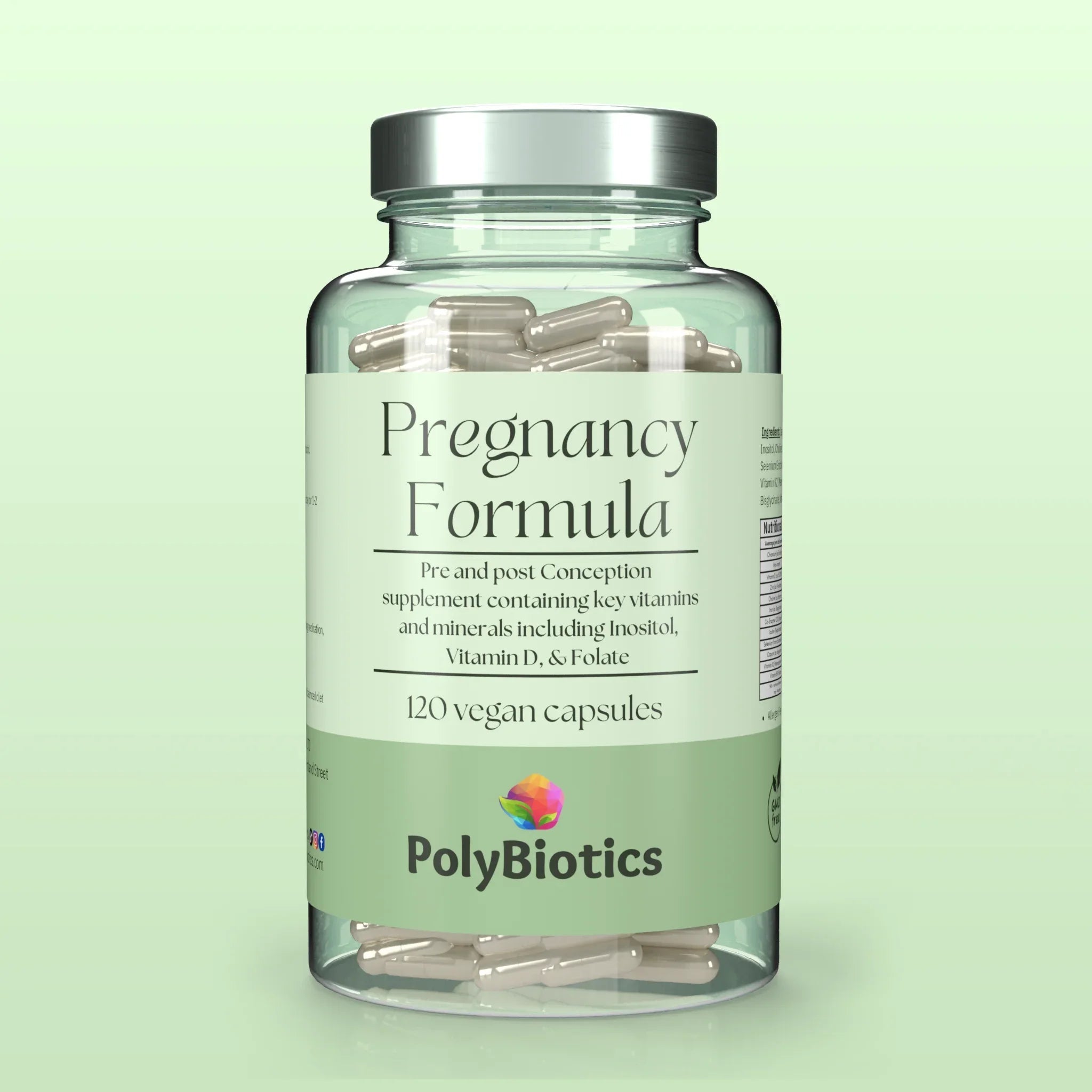
Why we formulated PolyBiotics differently
Too often, the wellness industry starts with an ingredient and looks for a problem it might solve. We started with women's physiology and worked backwards.
Rather than following popular trends or adding fashionable ingredients simply because they were commercially attractive, we focused on nutrients supported by evidence relevant to women's health.
Our formulations avoid proprietary blends, allowing every ingredient and every dose to be fully transparent.
Our Inositol Infusion Plus uses a myo-inositol to D-chiro-inositol ratio informed by plasma research conducted in women rather than ratios that originated from mixed-sex populations.
Our Iron & Energy Restore recognises that women of reproductive age often have different iron requirements from men.
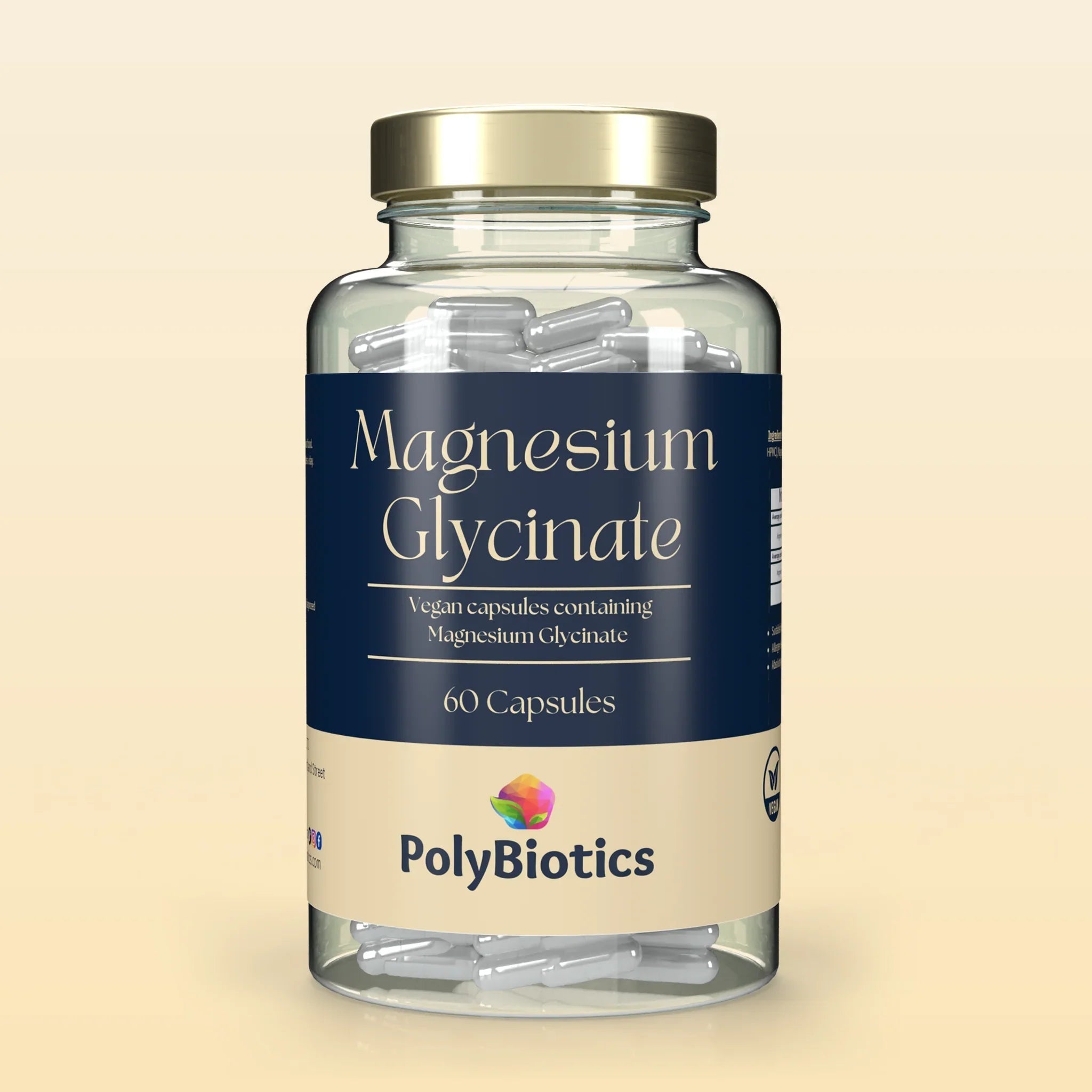
Our Magnesium Glycinate provides magnesium in a well-absorbed form that contributes to normal muscle function, normal psychological function and the reduction of tiredness and fatigue, in line with authorised health claims.
We use doses studied on women, like you and I.
No supplement replaces a balanced diet, regular movement, good sleep or appropriate medical care.
If you've ever stood in the supplement aisle wondering what's actually worth taking, you're not alone.
At PolyBiotics, we formulate every product by starting with one question: what does the evidence tell us about women?
Explore our evidence-led range here →
Food supplements should not be used as a substitute for a varied and balanced diet and a healthy lifestyle.

The question every woman should ask
The next time a wellness trend appears on your social media feed, don't ask whether it's popular.
Don't ask how many influencers recommend it.
Ask something much simpler.
Who was this actually studied in?
Because women deserve more than having recommendations borrowed from everyone else.
They deserve research that starts with them, not research that is later adapted to them.
Many wellness trends for women begin with good intentions, but not all are supported by strong female-specific evidence. The goal isn't to avoid every trend. It's to understand what has been properly studied, what remains uncertain, and how those recommendations apply to your own health.
Frequently Asked Questions
This article is intended for general education and information only. It is not medical advice, and it should not replace guidance from your own GP, pharmacist or healthcare professional.
Is intermittent fasting good for women?
It can be. Current research suggests intermittent fasting may benefit some women, particularly for weight management and metabolic health. However, long fasting windows have been studied far less extensively in women than in men, and fasting should not contribute to chronic under-fuelling or menstrual disturbances.
Should women take ashwagandha?
Some studies suggest benefits for menopausal symptoms and stress, but women with thyroid disease or concerns about androgen-related symptoms should discuss supplementation with their healthcare professional before starting.
Does maca root work for women?
Current evidence is limited. Some studies report benefits for libido and menopausal symptoms, but systematic reviews conclude that higher quality research is still needed.
Are cold plunges safe for women?
Many women tolerate cold water immersion well, but women have different physiological responses to cold than men. Starting gradually is a sensible approach.
Do women need different supplements?
Not every woman needs supplements, but women's nutritional requirements differ from men's at different stages of life. Choosing products designed around female physiology and evidence may be more appropriate than one-size-fits-all formulations.
References
-
NIH Revitalization Act of 1993.
-
Beery AK, Zucker I. Sex bias in neuroscience and biomedical research. Neuroscience & Biobehavioral Reviews. 2011.
-
Kalam F, et al. Obesity. 2023.
-
Cienfuegos S, et al. European Journal of Clinical Nutrition. 2024.
-
Mountjoy M, et al. IOC Consensus Statement on Relative Energy Deficiency in Sport (RED-S). British Journal of Sports Medicine. 2023.
-
Kamal HI, Patel K, Brdak A, et al. Ashwagandha as a unique cause of thyrotoxicosis presenting with supraventricular tachycardia. Cureus. 2022;14(3):e23494.
-
Shin BC, Lee MS, Yang EJ, et al. Maca (Lepidium meyenii) for improving sexual function: a systematic review. BMC Complement Altern Med. 2010;10:44.
-
Hutchins KP, Borg DN, Bach AJE, et al. Female (under)representation in exercise thermoregulation research. Sports Med Open. 2021;7:43.
-
Tsoutsoubi L, Ioannou LG, Mantzios K, et al. Cardiovascular stress and characteristics of cold-induced vasodilation in women and men during cold-water immersion. Biology. 2022;11(7):1054.
-
Scientific Advisory Committee on Nutrition. Iron and Health.
-
Baillargeon JP, Diamanti-Kandarakis E, Ostlund RE Jr, et al. Altered D-chiro-inositol urinary clearance in women with polycystic ovary syndrome. Diabetes Care. 2006;29(2):300-305.
-
Björnsson HK, Björnsson ES, Avula B, Khan IA, Jonasson JG, Ghabril M, et al. Ashwagandha-induced liver injury: A case series from Iceland and the US Drug-Induced Liver Injury Network. Liver International. 2020;40(4):825-829. doi:10.1111/liv.14393.
-
Vollmer G, Brendler T. Evaluation of Potential Hormonal Activities of Ashwagandha (Withania somnifera). Phytotherapy Research. 2025. doi:10.1002/ptr.70155.
-
Suryawanshi P, et al. Ashwagandha-induced liver injury: A case series from India and literature review. Journal of Clinical and Experimental Hepatology. 2023.
Share:
0 comments
Blog posts
-

The Wellness Trends Women Should Question
Why some of today's biggest wellness trends are built on evidence that doesn't always reflect female physiology. By Dr. Amina Hersi MD Wellness trends have never been more popular. Open social media and you'll quickly be told that the healthiest...
-

Food vs supplements: this isn't a competition
Some brands compare their supplement's calories to breakfast, as if it's meant to replace food. It isn't. Here's what your diet gives you that no capsule can, and where the real gaps lie.
-

Is Stress Throwing Your Hormones Off? The Stressors We Don’t Always Think About
Stress isn't just about feeling overwhelmed. Heat, poor sleep, under-eating, over-exercising and major life changes can all place demands on the body. We explore how stress interacts with your hormones, what the science really says about childhood trauma and PCOS, and why building resilience, rather than trying to eliminate stress entirely, may be a more helpful approach.


